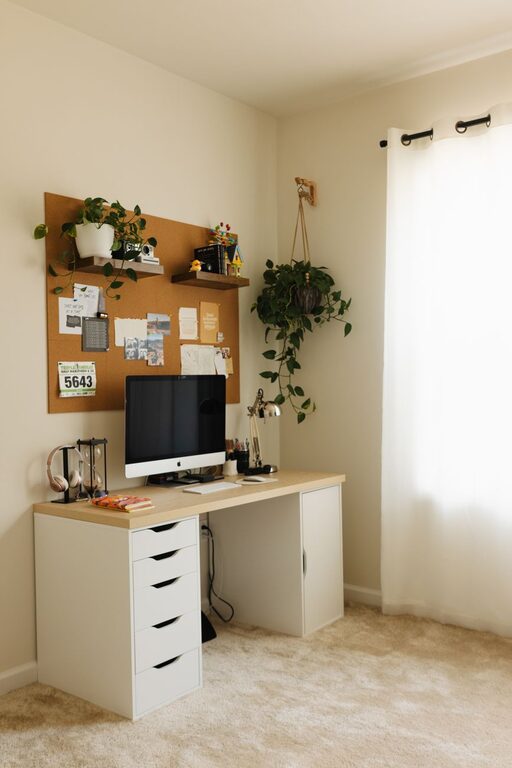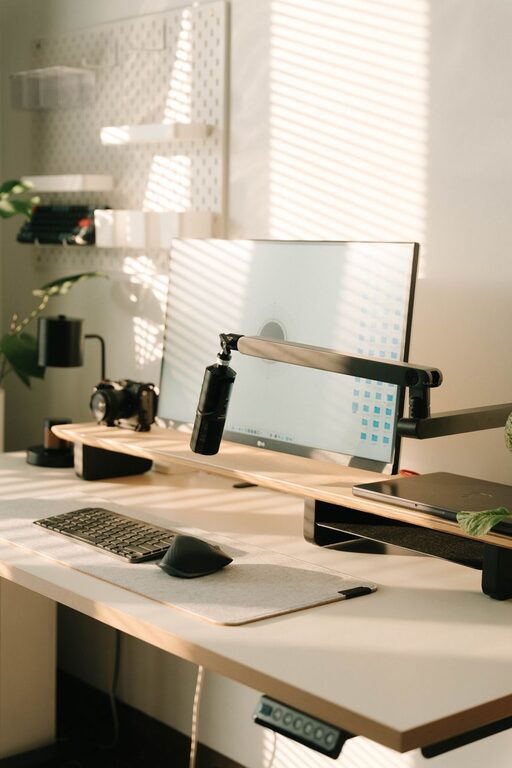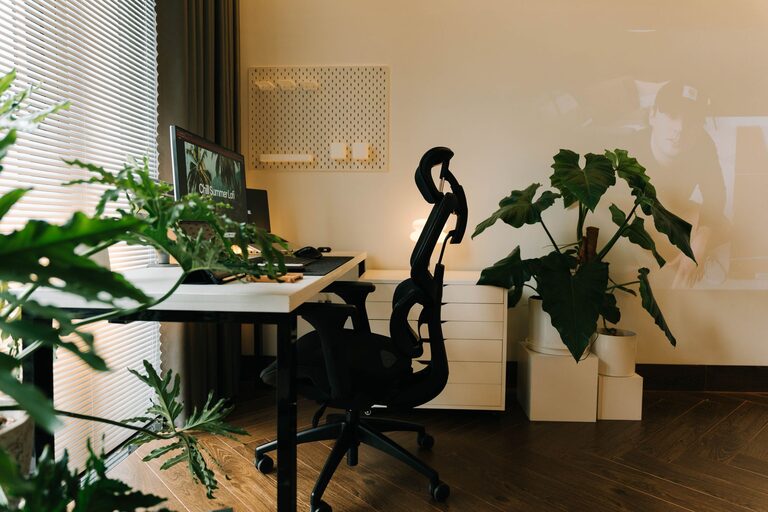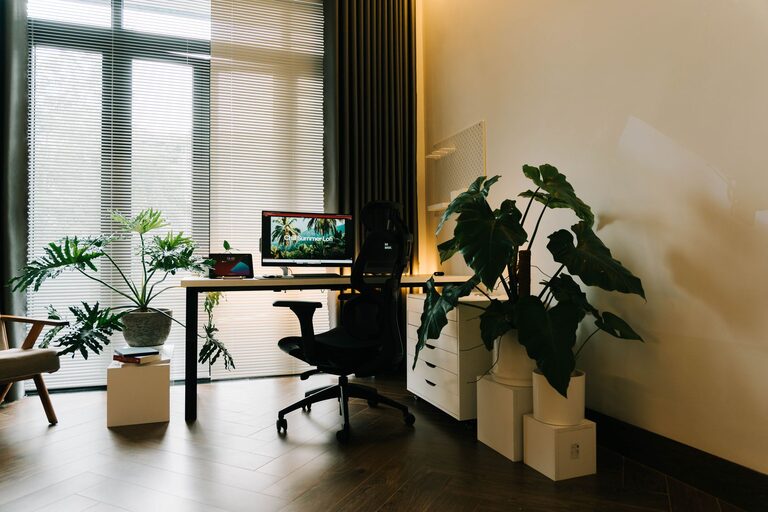
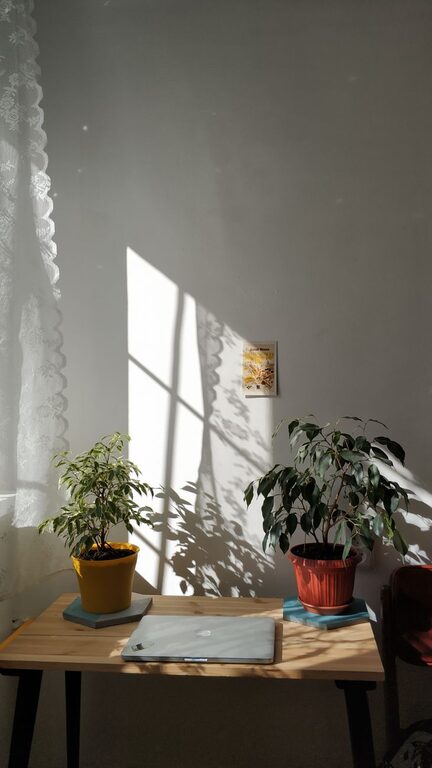
Creating a relaxing home environment can have a significant impact on your productivity and overall well-being. When your living space feels calm and welcoming, it’s easier to focus, reduce stress, and maintain a positive mindset. Whether you work from home or simply want to improve your daily routine, these practical tips can help you design a space that supports both relaxation and effectiveness.
Why a Relaxing Home Environment Matters
Your surroundings influence your mental state more than you might realize. Clutter, noise, and poor lighting can increase stress and make it harder to concentrate. In contrast, a thoughtfully arranged, soothing environment fosters creativity, focus, and emotional balance. This balance is especially important if you spend a lot of time at home, giving you a healthy space to recharge and be productive.
Start with Decluttering and Organization
A cluttered space often leads to a cluttered mind. Taking time to declutter can bring immediate relief and make your environment feel more peaceful.
– Sort and simplify: Go through your belongings and remove items you no longer need, use, or love.
– Designate spaces: Assign specific places for your essentials to keep things tidy and easy to find.
– Use storage solutions: Baskets, shelves, and drawer dividers can help keep items organized and out of sight.
Organizing your space reduces distractions and creates a smoother flow, making it easier to focus when working or relaxing.
Consider Your Lighting
Lighting affects your mood and alertness. Aim for a combination of natural and artificial light sources to create a pleasant atmosphere.
– Maximize natural light: Open curtains or blinds during the day to let sunlight in.
– Choose warm-toned bulbs: Soft, warm lighting offers a cozy feel, especially in the evening.
– Add task lighting: Desk lamps or adjustable floor lamps improve focus during work or reading.
Good lighting can reduce eye strain and lift your spirits, supporting both productivity and relaxation.
Incorporate Soothing Colors and Textures
Color and texture play a subtle role in how calming your space feels.
– Pick calming colors: Soft blues, greens, and neutrals are known for their relaxing effects.
– Add comfortable textiles: Plush cushions, soft throws, or an area rug can make your space more inviting.
– Balance minimalism with warmth: Avoid harsh, sterile looks by mixing simple designs with cozy elements.
These choices help your home feel serene, encouraging you to unwind and stay motivated.
Introduce Nature Indoors
Bringing elements of nature inside provides a sense of tranquility and freshness.
– Houseplants: Easy-to-care-for greenery like pothos, spider plants, or succulents improve air quality and add life.
– Natural materials: Wood, stone, or bamboo accessories create an earthy vibe.
– Fresh flowers: A seasonal bouquet brightens any room and lifts your mood.
Nature’s presence helps reduce stress and can boost creativity, making your home a more balanced place.
Create Dedicated Zones for Work and Relaxation
Separating spaces based on activity promotes better focus and rest.
– Work zone: Set up a tidy desk with essential supplies and minimal distractions.
– Relax zone: Arrange a cozy corner with cushions or a favorite chair for reading, journaling, or meditation.
– Avoid overlap: Try not to work from your bed or couch so these areas stay reserved for relaxation.
Clearly defined areas train your mind to switch modes easily, improving your productivity and downtime quality.
Use Calming Scents and Sounds
Sensory touches like scent and sound contribute to a relaxing environment.
– Essential oils or candles: Lavender, chamomile, or eucalyptus scents encourage calm and focus.
– Background music: Soft instrumental music or nature sounds can help you concentrate or unwind.
– Noise control: Use headphones, white noise machines, or thick curtains to reduce distracting noises.
These sensory elements can subtly enhance your mood and mental clarity.
Maintain a Routine for Cleaning and Freshening Up
A clean and fresh home feels more inviting.
– Regular tidying: Set aside a few minutes daily to clear surfaces and put things away.
– Weekly cleaning: Vacuum, dust, and clean bathrooms to maintain a healthier atmosphere.
– Fresh air: Open windows regularly to circulate air and reduce stuffiness.
Keeping your space clean supports both your physical health and mental well-being.
Add Personal Touches That Inspire You
Your home should reflect your personality and make you feel happy.
– Display meaningful items: Photos, artwork, or souvenirs that bring joy or motivation.
– Incorporate hobbies: Create space for activities you love, like drawing, cooking, or crafting.
– Keep favorite books or quotes visible: These can provide comfort and inspiration throughout your day.
Personalizing your environment strengthens your connection to the space, making it a true sanctuary.
Final Thoughts
Designing a relaxing home environment doesn’t require a complete makeover. By adjusting lighting, reducing clutter, bringing in nature, and creating distinct areas for work and rest, you can transform your home into a calming, productive space. Small, consistent changes are key to building an environment that nurtures your well-being and helps you thrive every day. Start with one or two tips that resonate with you and build from there – your ideal home environment is within reach!
About the Author