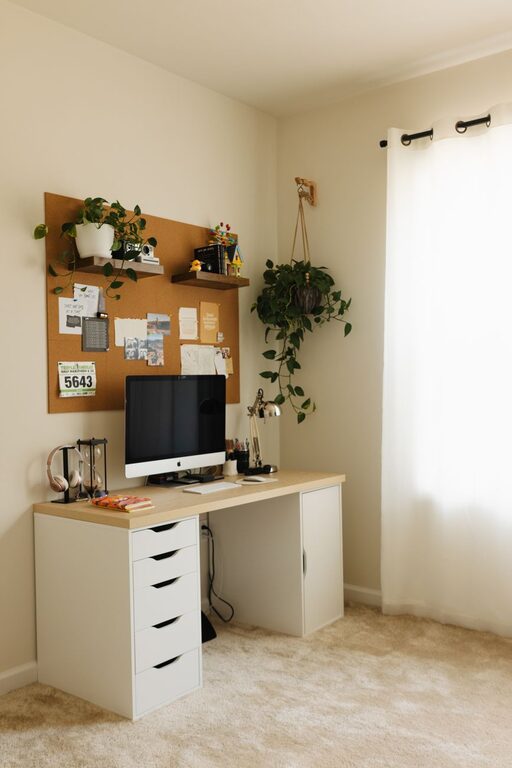
Creating a home office space that is both cozy and productive can make a big difference in your daily work life. Whether you’re working remotely full-time or need a dedicated spot for freelance projects, the right environment helps boost focus and comfort. Here are some practical tips to help you design a home office that feels inviting and supports your productivity.
Choose the Right Location
The first step in setting up your home office is choosing the best spot. Ideally, select a quiet area with minimal distractions, good natural light, and enough space for all your work essentials.
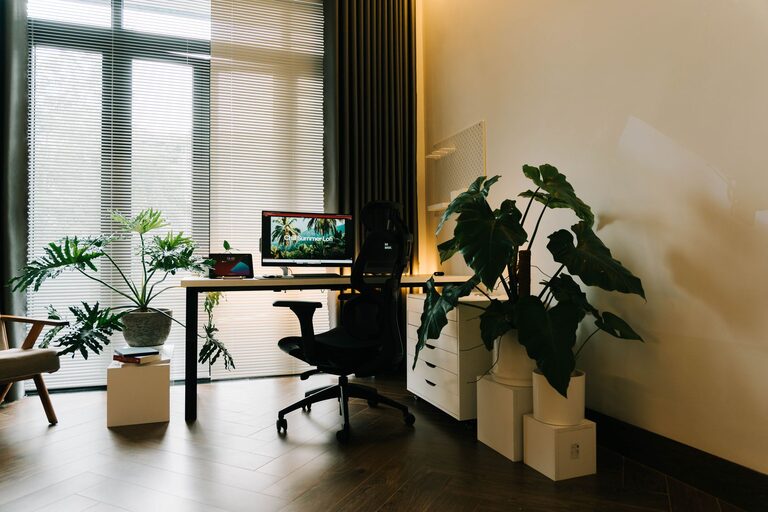
– Natural Light: Position your desk near a window if possible. Natural daylight can improve mood and energy levels throughout the day.
– Minimize Noise: Avoid high-traffic areas in your home, such as the kitchen or living room, to cut down on interruptions.
– Space Requirements: Make sure there’s enough room for your desk, chair, computer, and any other tools or supplies you need.
Invest in Comfortable and Ergonomic Furniture
Comfort plays a key role in staying productive, especially when you spend hours at your desk. Ergonomic furniture supports good posture and helps prevent discomfort or pain.
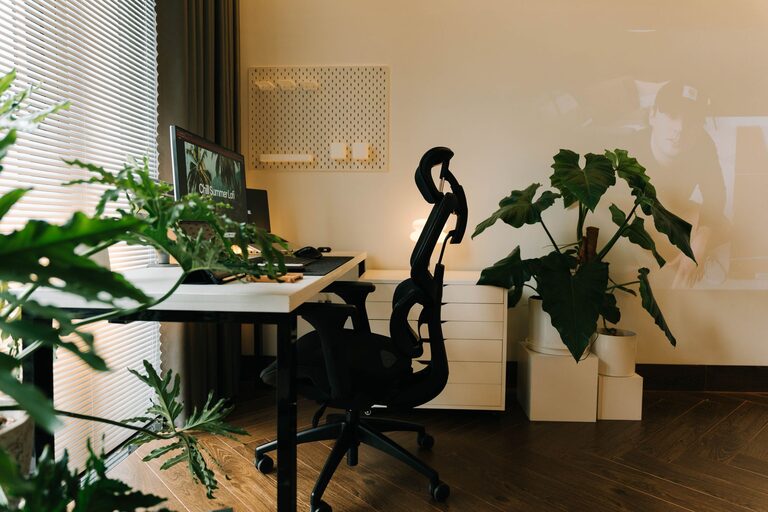
– Ergonomic Chair: Choose a chair with adjustable height, good lumbar support, and comfortable padding.
– Desk Height: Your desk should allow your arms to rest comfortably at a 90-degree angle when typing.
– Footrest: Consider a footrest if your feet don’t rest flat on the floor to maintain proper posture.
Keep Your Workspace Organized
Clutter can interfere with concentration and create stress. Keeping your workspace neat and organized makes it easier to focus and find what you need.
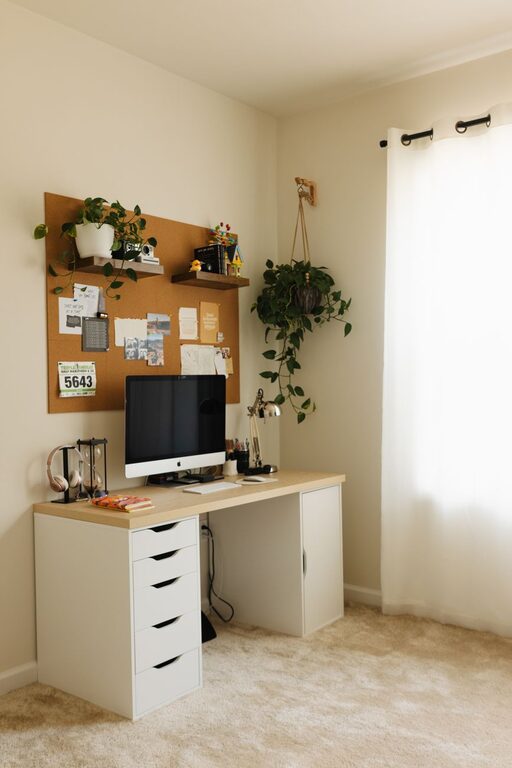
– Storage Solutions: Use shelves, filing cabinets, or drawer organizers to store documents and office supplies.
– Cable Management: Use clips or sleeves to keep cords tidy and out of your way.
– Regular Cleanups: Set a weekly routine to tidy your desk and discard or file unnecessary papers.
Personalize Your Space Thoughtfully
Adding personal touches can make your office feel warmer and more inviting, but be mindful not to overdo it.
– Photos and Art: Display a few favorite photos or inspiring artwork.
– Plants: Adding greenery can improve air quality and add a calming effect.
– Color Scheme: Choose colors that promote concentration and calmness, such as soft blues, greens, or neutrals.
Optimize Lighting
Good lighting reduces eye strain and improves alertness.
– Layered Lighting: Combine natural light, overhead lights, and task lamps for balanced illumination.
– Adjustable Desk Lamps: These let you direct light exactly where needed, which is helpful for reading or writing.
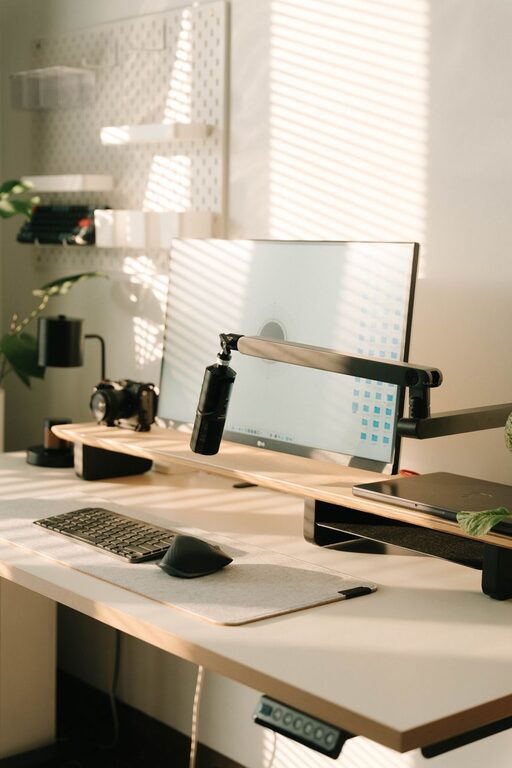
– Avoid Glare: Position screens to avoid glare from windows or lights.
Incorporate Technology Wisely
Technology is essential but can sometimes be distracting if not set up properly.
– Reliable Equipment: Invest in a good computer, monitor, keyboard, and mouse to improve efficiency.
– Headphones: Noise-cancelling headphones can help block distractions and improve focus.
– Charging Stations: Designate a spot for charging devices to keep cords organized.
Create a Routine and Set Boundaries
A cozy and productive office isn’t just about the physical space—it also depends on your habits.
– Set Work Hours: Establish consistent working hours to separate professional time from personal life.
– Breaks: Schedule regular breaks to stretch and rest your eyes.
– Limit Interruptions: Use signs or signals to let family members know when you need uninterrupted focus time.
Add Comfort Extras
Small additions can increase your comfort and help maintain energy.
– Cozy Textiles: Keep a soft blanket or cushion nearby.
– Water and Snacks: Stay hydrated and fueled with easy access to water and healthy snacks.
– Aromatherapy: Use subtle scents like lavender or eucalyptus to reduce stress.
Final Thoughts
Designing a home office that balances coziness with productivity takes a bit of planning, but it’s well worth the effort. By thoughtfully choosing your location, investing in comfortable furniture, organizing your space, and incorporating personal touches, you can create an environment that supports both your work and well-being. Remember, the goal is to make your home office a place you enjoy spending time in—one that inspires focus and creativity every day.
About the Author